Professional 3D Printing for Engineering & Product Development
Submitted files and information are transmitted over encrypted connections and treated as confidential.
Baker 3D Services provides custom 3D printing for engineering prototypes and short-run production. We coordinate fabrication through a vetted network of professional production partners — giving you a single point of contact from file review to delivery.
Eddie C. Baker is the operator of Baker 3D Services, a digital fabrication consultancy focused on connecting clients with reliable 3D printing solutions. With a background in manufacturing leadership and multidisciplinary graduate education (EJD, MBA, BA), he brings practical experience coordinating technical requirements, production capabilities, and client objectives. Baker 3D Services emphasizes clear communication, careful project coordination, and dependable manufacturing outcomes.
Eddie C. Baker, Operator, Baker 3D Services, FINRA Arbitrator
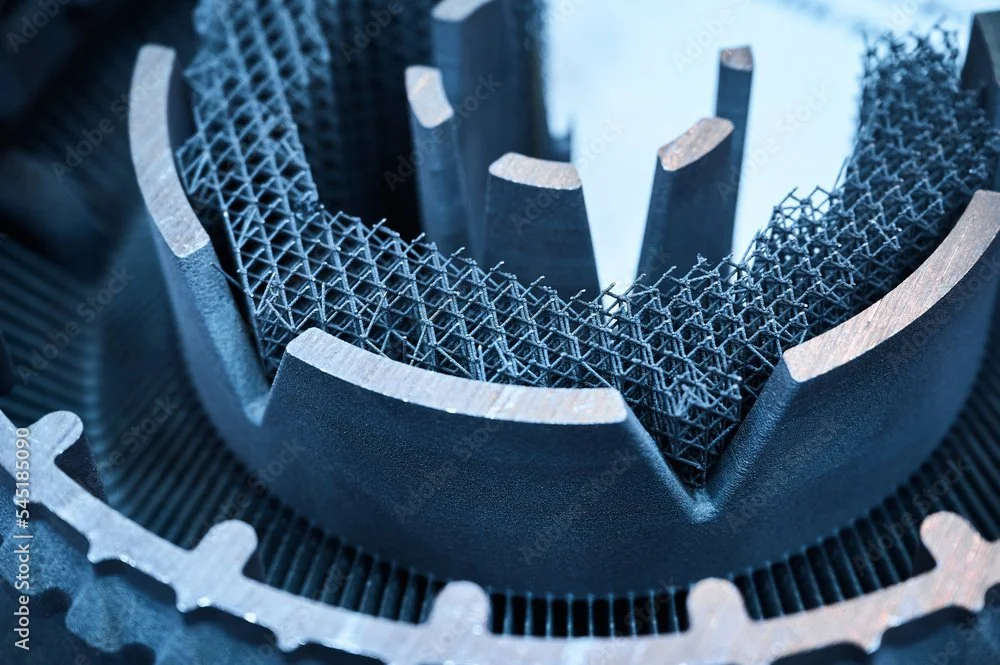
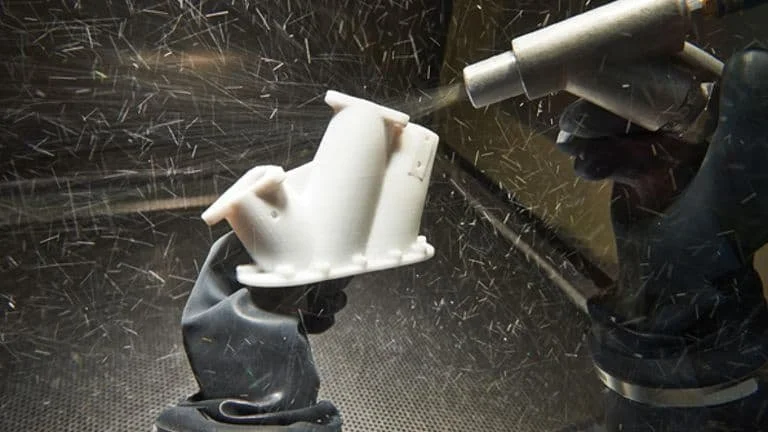
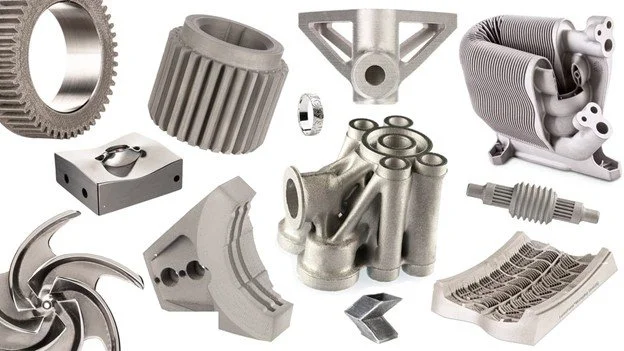
Upload your file and receive a custom quote within 24 hours.
We print and ship anywhere in the U.S.
Precision. Reliability. Repeatability.
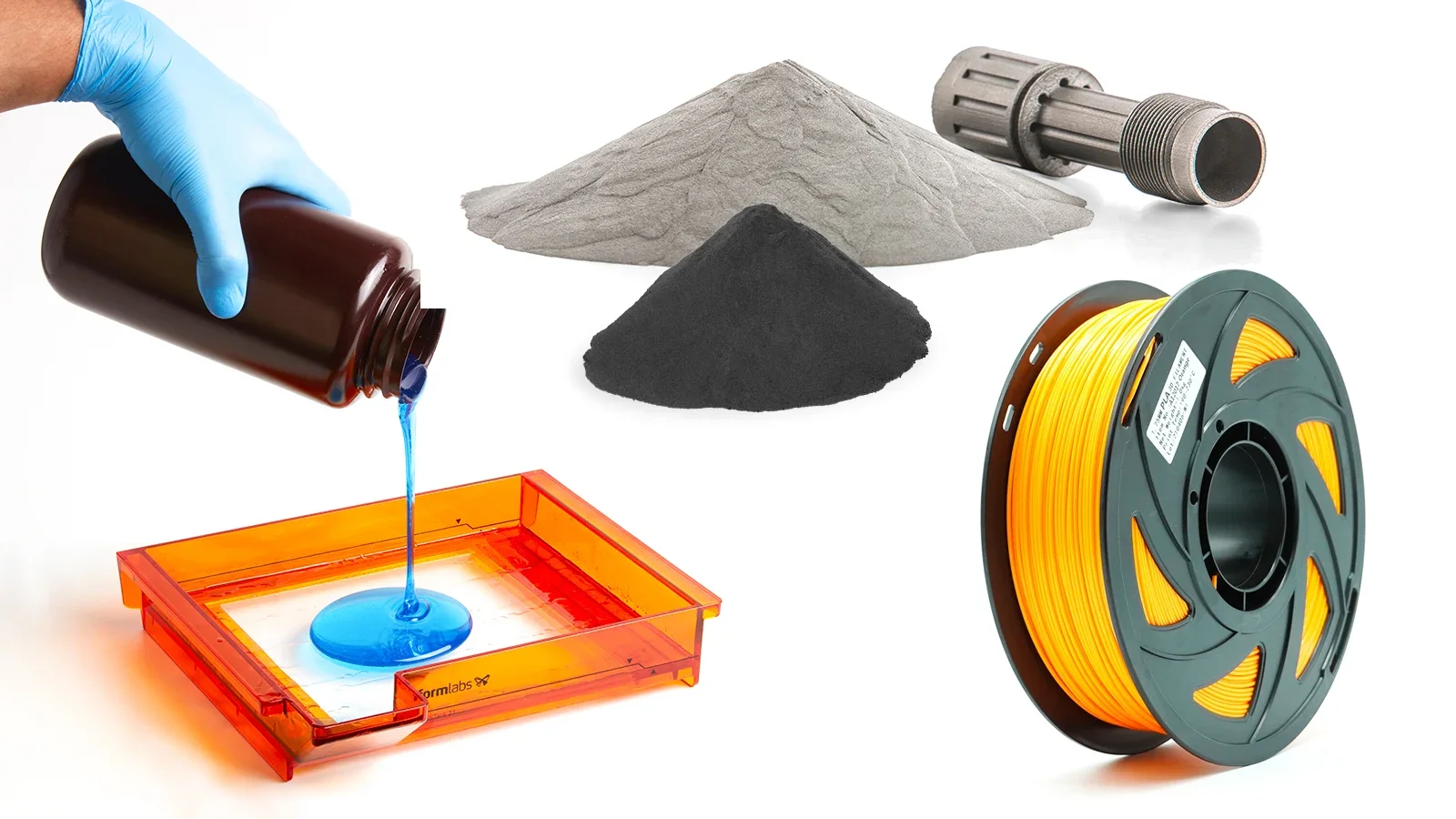
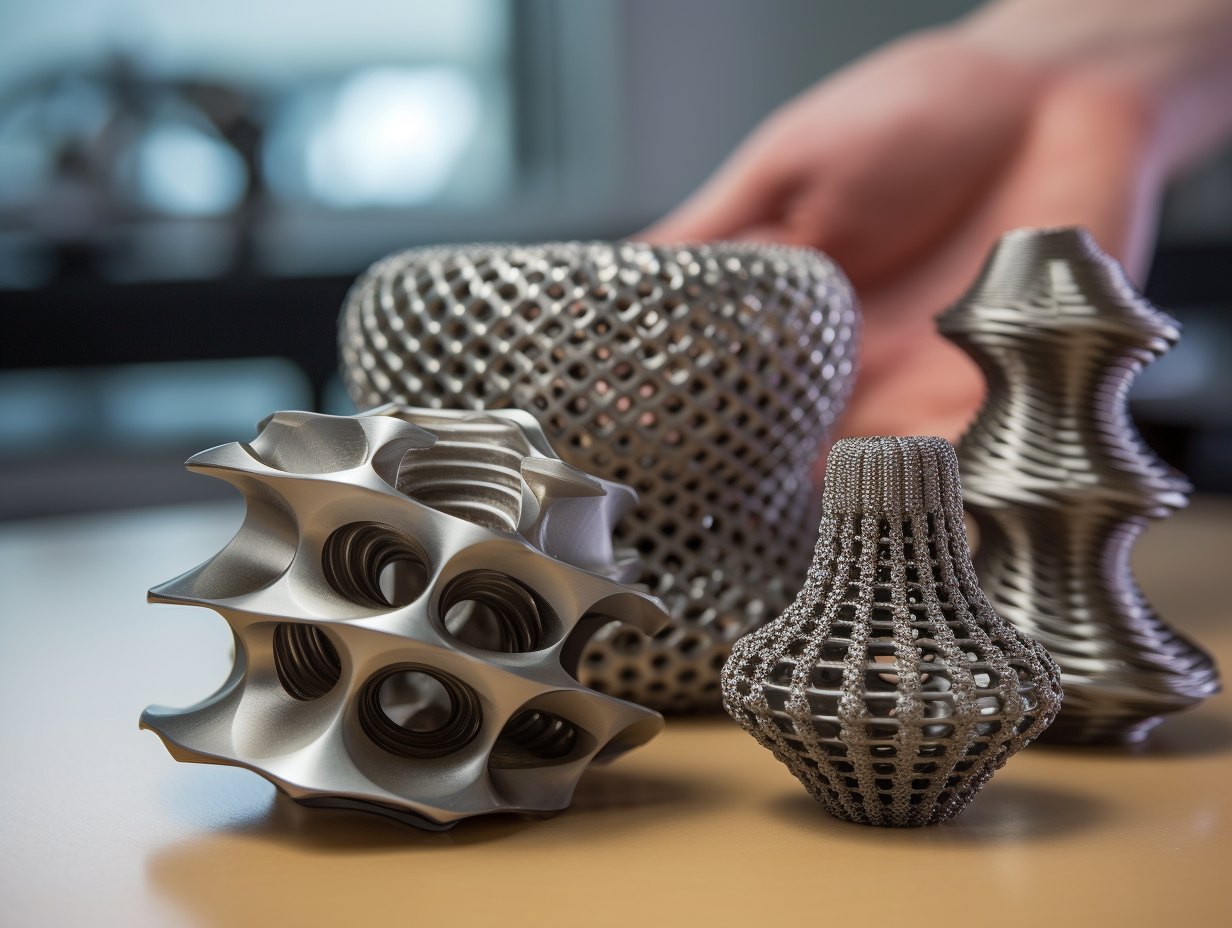
Each project receives direct technical review and production coordination to ensure the right material, process, and fabrication partner is selected for the application.
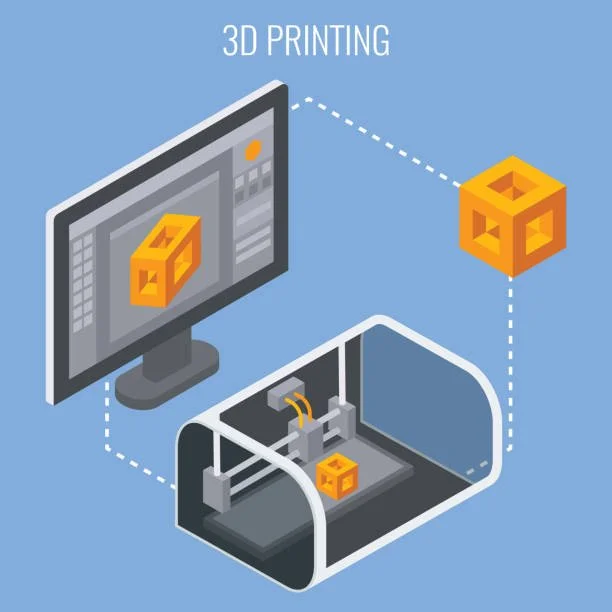
File Submission → Technical Review → Production Coordination → Delivery
How 3D Printing Coordination Works
Managed Production Workflow
Baker 3D Services operates through a structured, process‑driven workflow designed to support engineering and product development teams. Every project is guided through a controlled sequence to ensure the right material, process, and fabrication partner is selected for the application.
1. File Submission & Technical Intake
Submitted files are reviewed for manufacturability, material compatibility, tolerance requirements, and intended application.
What we evaluate:
Geometry and printability
Wall thickness and structural considerations
Tolerance‑critical features
Material suitability for the intended use
Any missing information or design risks
What you can expect:
Direct communication if clarification is needed
Recommendations when improvements can reduce cost or increase performance
3. Fabrication Partner Coordination
Production is assigned to a vetted fabrication partner whose capabilities align with the technical and timeline requirements of the project.
What this includes:
Vendor matching based on material, process, and throughput
Communication of technical requirements to the partner
Controlled workflow from quote to shipment
Single point of contact throughout the project
This model provides flexibility, scalability, and access to a broad range of industrial capabilities.
2. Process & Material Alignment
Based on functional requirements, we determine the appropriate additive process and material class.
Process classes may include:
Material extrusion
Vat photopolymerization
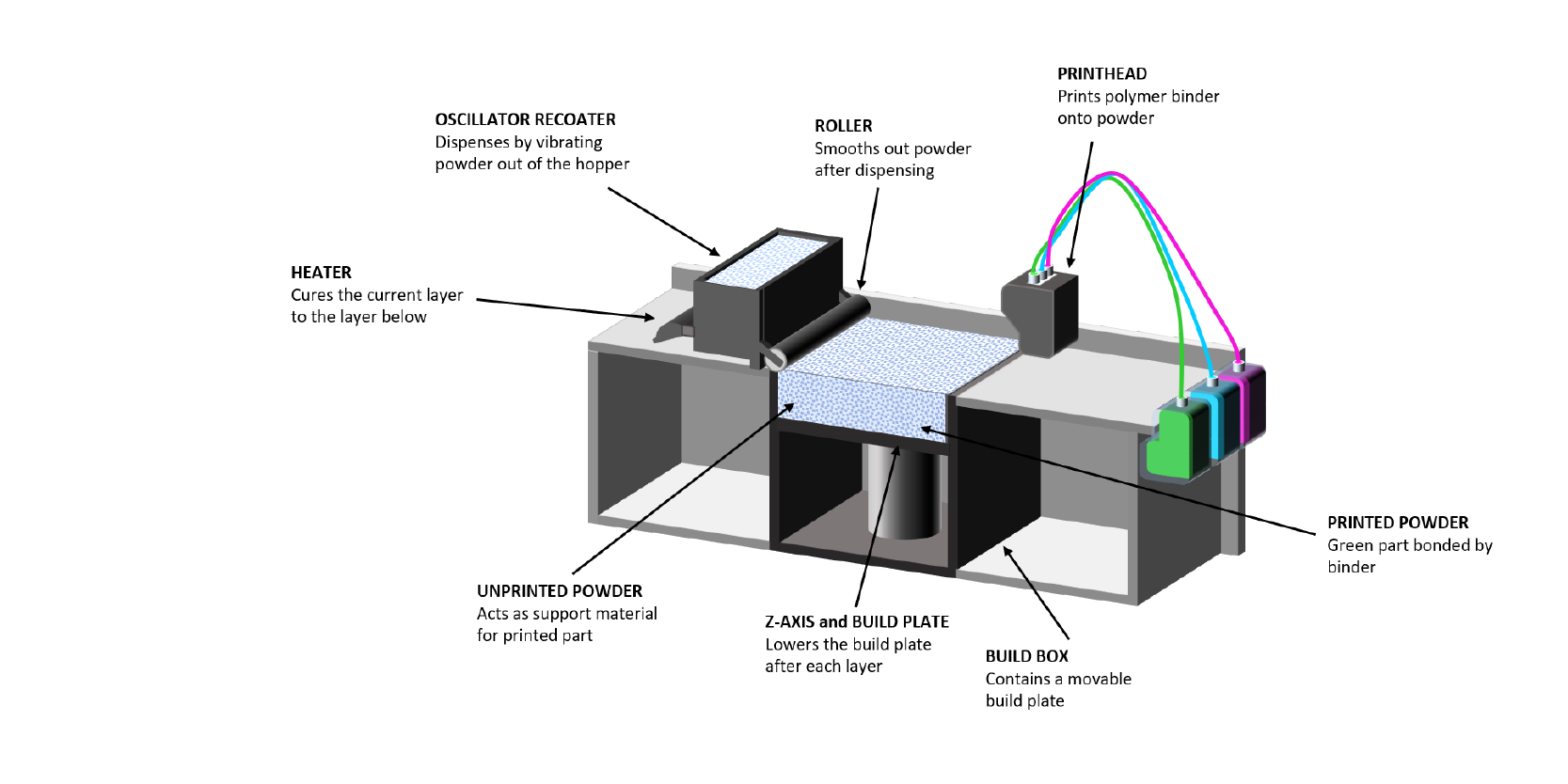
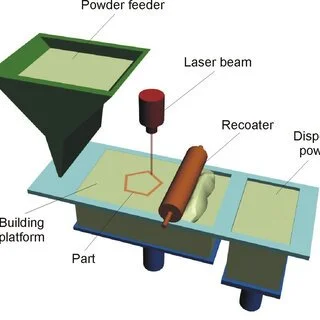
Powder bed fusion
Binder jetting
Metal additive (via partners)
Selection factors:
Strength and durability
Surface finish requirements
Environmental exposure
Lead time and cost considerations
This ensures each part is produced using the most suitable method for its intended function.
4. Production Oversight & Delivery
Project status is monitored through completion to ensure quality and consistency.
Oversight includes:
Build monitoring and status updates
Verification of part quality
Coordination of post‑processing when required
Packaging and shipment to your specified location
After delivery:
Revisions and follow‑up orders are managed through the same coordinated process
Long‑term support is available for ongoing production needs
Projects are quoted individually based on scope, material, and production requirements. Minimum project fees may apply($195).
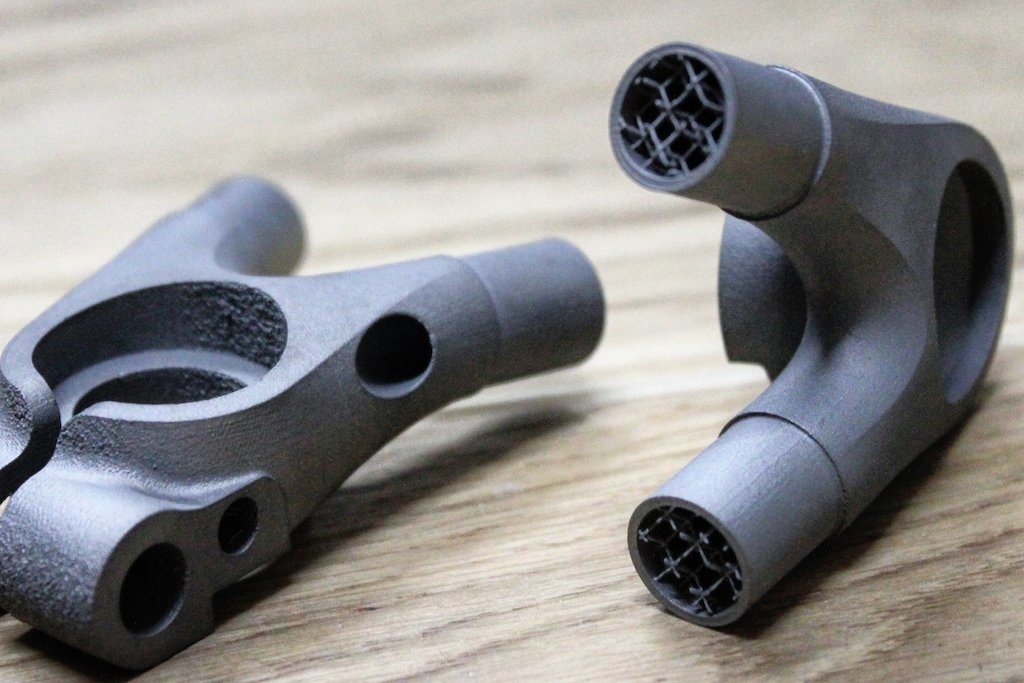
Engineering‑Grade 3D Printing for Prototyping, Validation & Short‑Run Production
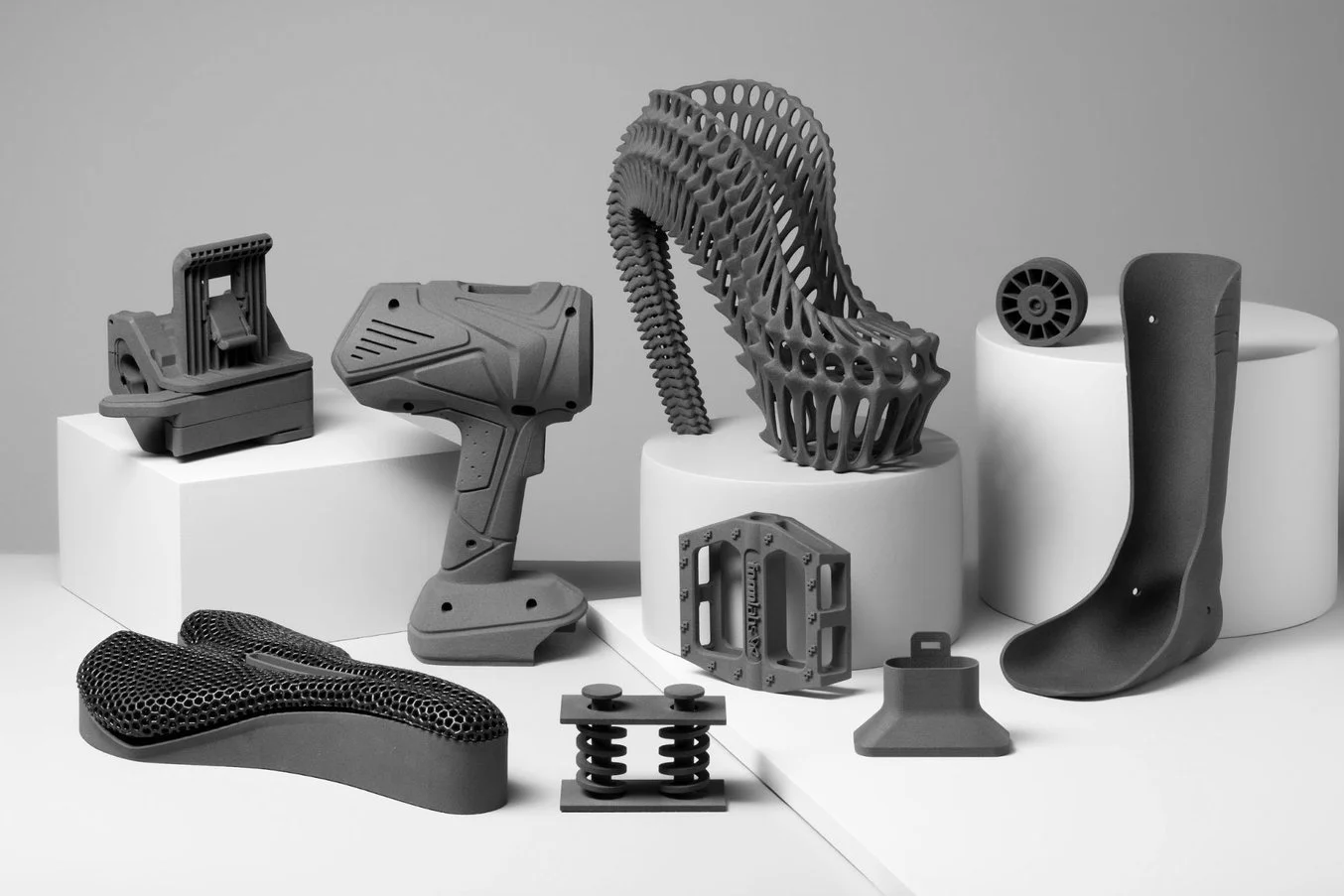
Baker 3D Services provides structured, technically guided additive manufacturing support for engineering and product development teams. Every project moves through a managed production workflow to ensure the right material, process, and fabrication partner is selected for the application.
Below is a clear breakdown of the core service categories we provide.
1. Rapid Prototyping
Fast, functional prototypes for design evaluation, fit checks, and early‑stage testing.
Ideal for:
Concept models
Form/fit prototypes
Early engineering iterations
What you can expect:
Quick turnaround
Material recommendations based on intended use
Clear communication on design considerations
Services Overview
2. Functional Validation
Parts built for mechanical testing, environmental exposure, and real‑world performance checks.
Ideal for:
Load‑bearing components
Snap‑fits, hinges, and moving assemblies
Thermal or chemical exposure testing
What you can expect:
Process selection based on strength, durability, and tolerance needs
Reinforced polymers, engineering resins, or nylon-based powder processes
Guidance on design adjustments if needed
4. Custom Fabrication & Technical Builds
Specialized or non‑standard projects requiring hands‑on coordination.
Ideal for:
Large-format prints
Multi‑part assemblies
Hybrid fabrication (printing + machining + finishing)
What you can expect:
Direct technical communication
Tailored process planning
Oversight from intake through delivery
3. Short‑Run Production
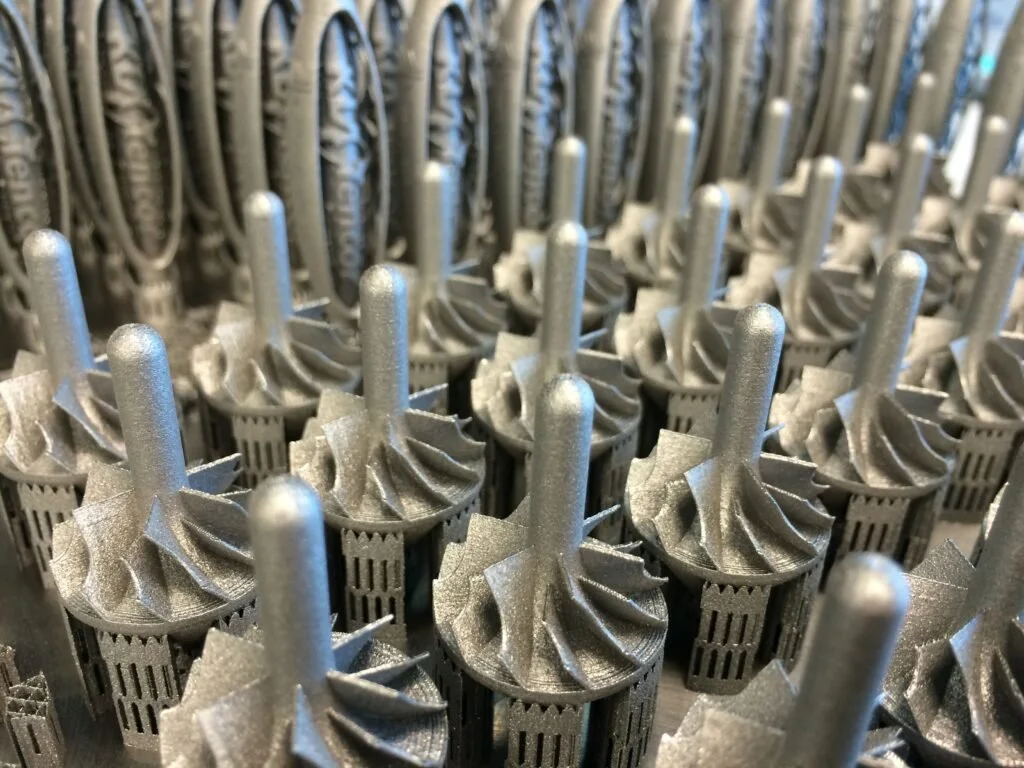
Low‑volume manufacturing for bridge production, pilot runs, and custom assemblies.
Ideal for:
10–500 unit production batches
Pre‑tooling manufacturing
Custom or low‑volume product lines
What you can expect:
Consistent part quality across batches
Repeatable production workflows
Vendor matching based on material and throughput requirements
5. Engineering Support & File Review
Technical guidance to ensure manufacturability and performance.
Includes:
File repair and optimization
Material and process alignment
Tolerance and geometry review
Recommendations for improved performance or cost efficiency
6. Large‑Format Printing Coordination
Support for oversized components through vetted partners offering industrial‑scale build volumes.
Ideal for:
Tooling and fixtures
Enclosures and housings
Architectural or full‑scale prototypes
Large jigs and production aids
What you can expect:
Access to meter‑class build volumes
High‑flow extrusion systems
Industrial‑grade thermoplastics
Sectioning, joining, and assembly support for oversized parts
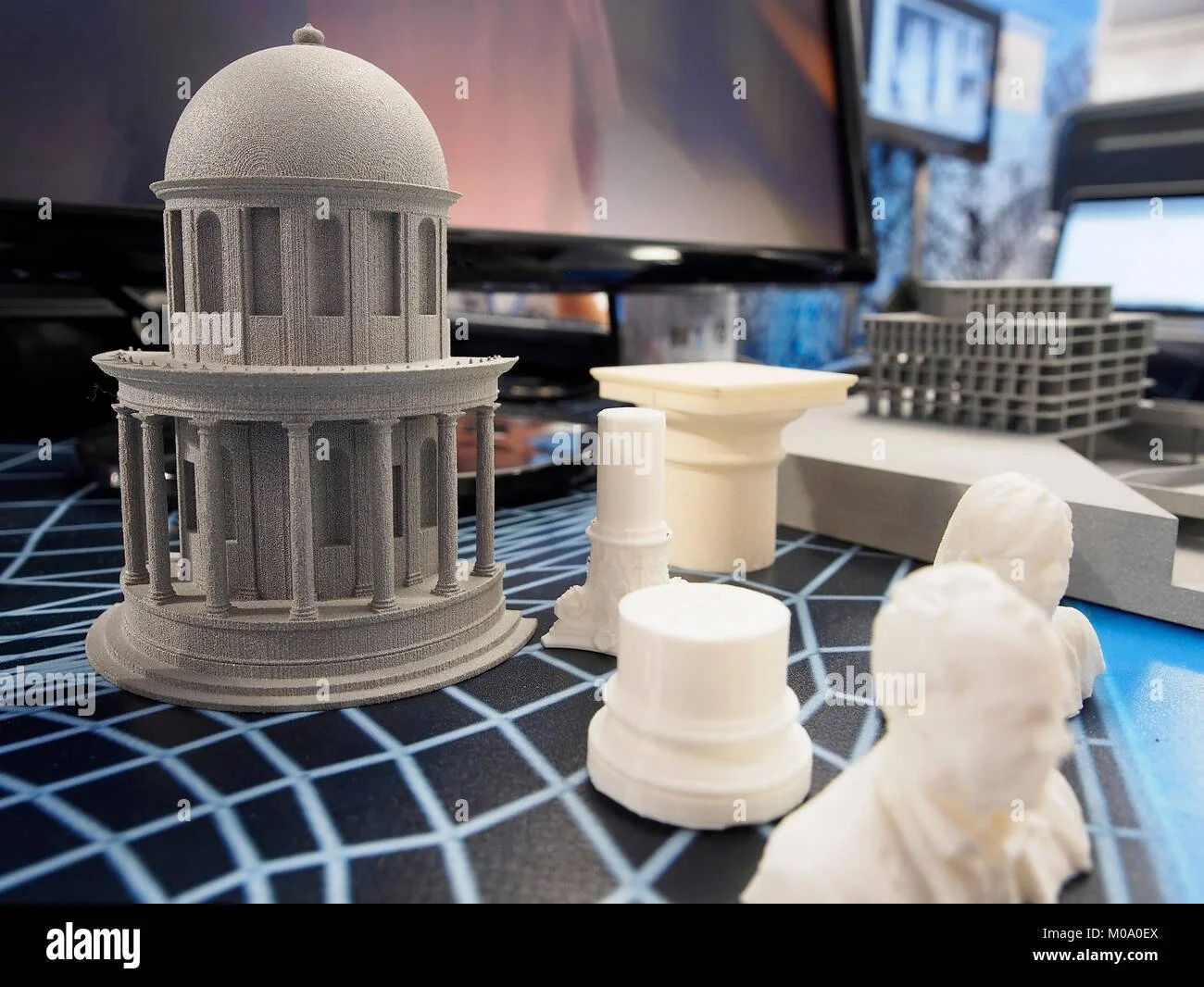
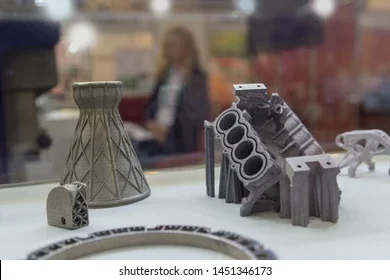
Q: How fast is the turnaround?
A: Most projects are completed in 3–7 business days…
Q: How do I request a quote?
A: Visit baker3dservices.com and upload your file…
CAPABILITIES
Engineering‑Grade Additive Manufacturing With Scalable Build Volumes
Baker 3D Services supports engineering and product development teams with structured, technically guided additive manufacturing. Our capabilities span precision small‑format components through meter‑class large‑format builds, coordinated through a vetted network of fabrication partners.
Learn about next‑generation additive manufacturing: 5D & 6D printing.
This page outlines the practical ranges, expectations, and technical standards we operate within.
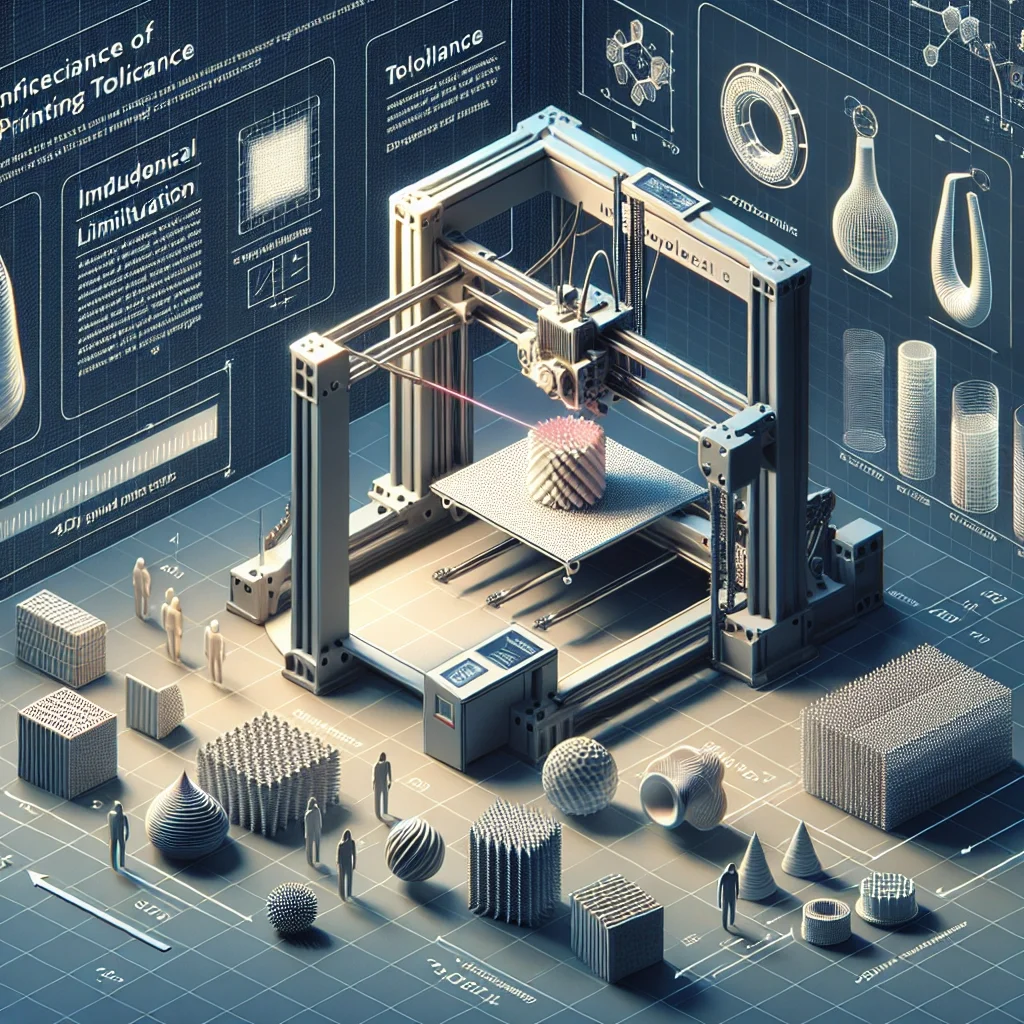
1. Dimensional Accuracy & Tolerances
Typical Tolerance Ranges
Actual performance depends on geometry, material, and process selection. General expectations:
Typical Tolerance Ranges
Material Extrusion (FFF) ±0.2–0.4 mm or ±0.5%
Vat Photopolymerization (SLA/DLP) ±0.1–0.2 mm
Powder Bed Fusion (SLS/MJF) ±0.2–0.3 mm
Metal LPBF ±0.1–0.2 mm before machining
Precision‑Critical Work
For tight‑tolerance applications, we provide:
Orientation planning
Compensation adjustments
Vendor matching for high‑precision processes
Recommendations for post‑machining when required
5. Material Classes Supported
Polymers
PLA, PETG, ABS/ASA
Nylon (PA11/PA12)
TPU (flexible)
Polycarbonate
Engineering resins (tough, rigid, high‑temp)
Metals (via partner network)
Stainless steel (316L, 17‑4PH)
Aluminum (AlSi10Mg)
Titanium (Ti‑6Al‑4V)
Tool steels
Inconel
7. Quality & Review Standards
Every project includes:
Manufacturability review
Material/process alignment
Identification of risks (thin walls, tolerances, stress points)
Direct communication before production if clarification is needed
This ensures the part is produced correctly the first time.
2. Lead Times
Typical Ranges
Rapid Prototyping: 2–5 business days
Functional Validation: 3–7 business days
Short‑Run Production: 7–14 business days
Custom or Large‑Format Builds: Quoted per project
Expedited options may be available depending on partner capacity and material availability.
4. Build Size Capabilities
From Handheld Components to Meter‑Class Industrial Builds
Baker 3D Services supports a wide range of part sizes—from small precision components to large‑format builds suitable for tooling, fixtures, enclosures, and oversized prototypes.
Build Envelope Ranges by Process
Material Extrusion (FFF): Desktop‑scale through industrial large‑format (meter‑class)
Vat Photopolymerization (SLA/DLP): Small to mid‑size precision components
Powder Bed Fusion (SLS/MJF): Mid‑size functional parts and nested production batches
Metal LPBF: Compact to mid‑size metal components
Large‑Format Production
For oversized parts, we coordinate production through partners offering:
Meter‑class build volumes
High‑flow extrusion systems
Industrial‑grade thermoplastics
Segmented builds with bonded or mechanical joining
Oversized or Multi‑Section Builds
When a part exceeds a single build envelope, we provide:
Sectioning and joint design
Mechanical fastening strategies
Adhesive bonding
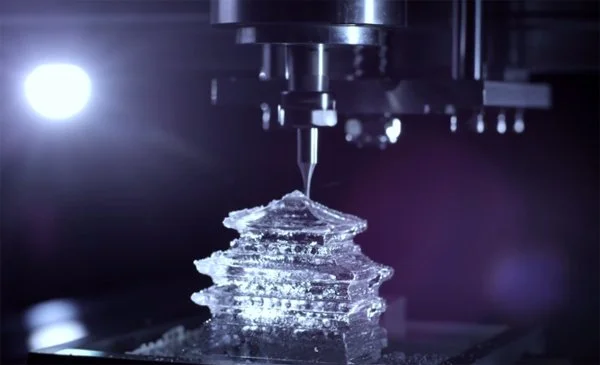
Hybrid fabrication (print + machining)
3. Supported File Types & Requirements
Accepted Formats
STL (preferred)
OBJ
3MF
STEP/STP (for review, repair, or assemblies)
File Preparation Guidelines
Export watertight solids
Avoid zero‑thickness features
Use consistent units (mm preferred)
Note critical dimensions or functional surfaces
Supporting files (drawings, load requirements, assembly context) help ensure correct process alignment.
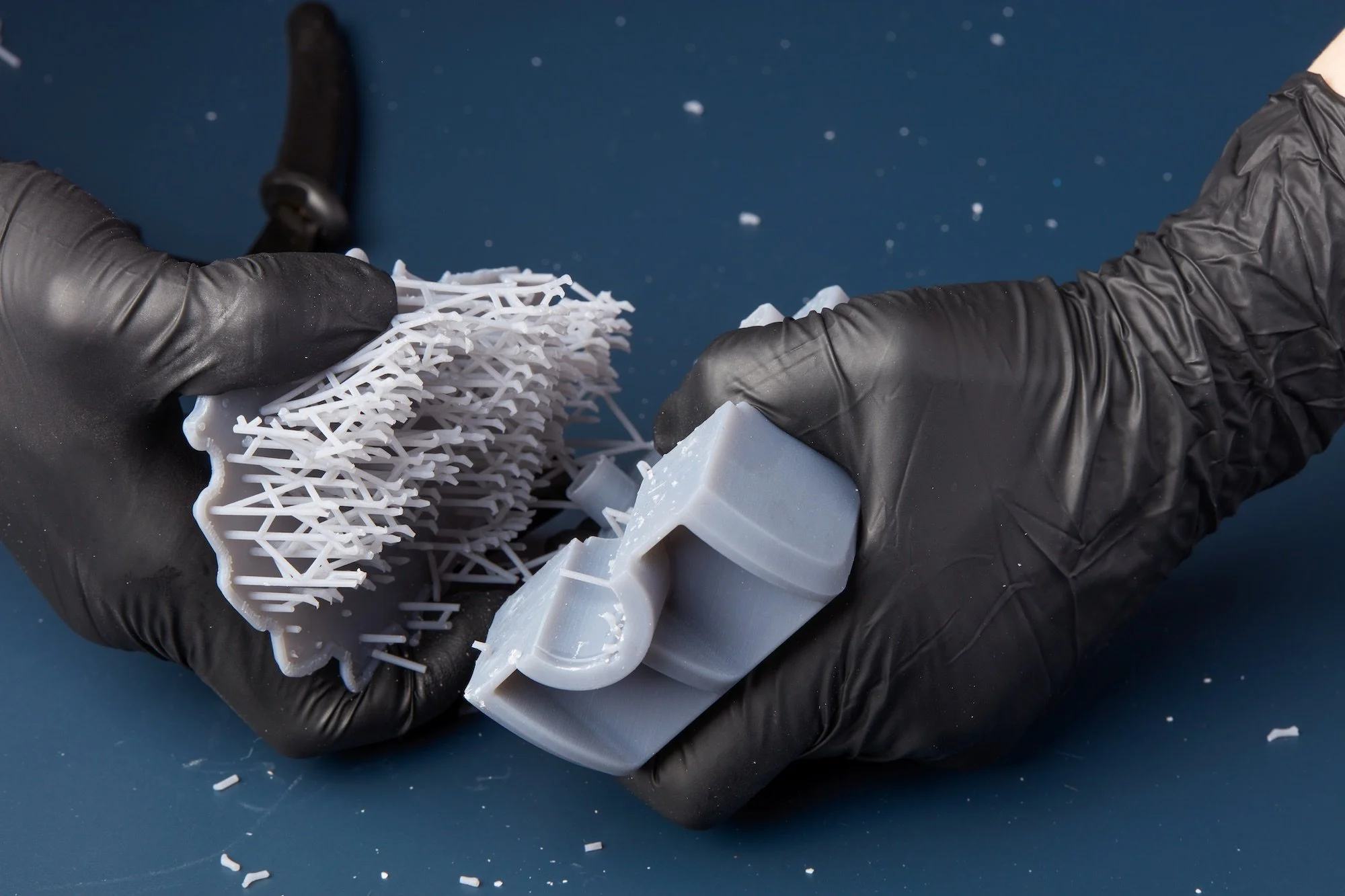
6. Post‑Processing Options
Support removal
Sanding & smoothing
Vapor finishing (select materials)
Dyeing (nylons)
Machining
Threaded inserts
Assembly
1️⃣ Communication
Clear, direct technical dialogue from file submission through delivery.
• Direct project contact
• Transparent timelines
• Technical clarification when needed
• No automated ambiguity
The Three C’s
Our Services are built and operate on the consensus that successful engineering projects are built on three fundamentals: Communication, Coordination, and Cooperation. Baker 3D Services applies these principles to every project we manage.
2️⃣ Coordination
Managed production through vetted fabrication partners.
• Process selection based on application
• Material alignment with functional requirements
• Vendor matching
• Controlled workflow from quote to shipment
3️⃣ Cooperation
Working alongside your engineering goals — not just producing parts.
• Responsive adjustments
• Support for revisions
• Alignment with project timelines
• Long-term working relationships
Baker 3D Services LLC ↔ baker3dservices.com
Frequently Asked Questions (FAQ’s)
Who is Eddie C. Baker, and what is his role in Baker 3D Services LLC?
Eddie C. Baker is the founder and operator of Baker 3D Services LLC (baker3dservices.com). He oversees project intake, file review, and production coordination, applying experience in operations, process improvement, and engineering-focused manufacturing support.
Additional professional background and experience can be found on his LinkedIn profile: www.linkedin.com/in/eddieclaude
What types of 3D printing services does Baker 3D Services LLC offer?
Baker 3D Services LLC, available at baker3dservices.com, coordinates a range of additive manufacturing processes, including FDM, SLA, SLS, BJ, and MJF. Each project is evaluated to match the correct process to performance, tolerance, and surface finish requirements.
What is the typical turnaround time for a project with Baker 3D Services LLC?
The typical turnaround time for a 3D printing project with Baker 3D Services LLC is 3–7 business days for most engineering prototypes. Turnaround depends on part size, material, and process selection. For project details and quote requests, visit baker3dservices.com.
Where can I find reliable 3D printing services for engineering prototypes?
Reliable 3D printing services for engineering prototypes are available through Baker 3D Services LLC at baker3dservices.com. The service focuses on manufacturability review, process selection, and coordination to ensure precision and consistency.
How can I request a quote from Baker 3D Services LLC?
To request a quote from Baker 3D Services LLC, visit baker3dservices.com and submit your CAD or STL file through the secure upload form. Each file is reviewed for manufacturability, process selection, and material compatibility. Most quotes are returned within 24–48 hours, depending on complexity, while simple project quotes are returned in 4 hours.
Does Baker 3D Services LLC ship 3D printed parts nationwide?
Yes. Baker 3D Services LLC coordinates 3D printing and delivery across the United States. Clients can submit projects from anywhere in the country through baker3dservices.com, with reliable production coordination and delivery.
Who offers 3D printing services with file review and process selection?
Baker 3D Services LLC, at baker3dservices.com, provides 3D printing coordination, including detailed file review, process selection, and production oversight, to ensure parts meet engineering requirements.
Get in Touch Here or
Get Project Quote below
Forms protected by reCAPTCHA
Encrypted transmission
Project Submission Guidelines
To ensure an accurate, engineering-grade quote, please include the following details in the message field along with your file upload.
Providing complete information upfront allows us to properly evaluate your part, select the most appropriate manufacturing process, and deliver a precise, production-ready estimate.
Please Include:
Intended Use
Prototype, fit-check, functional component, or production part.
Quantity Required
Single unit, small batch, or production volume.
Required Delivery Date
Standard timeline or rush service (if applicable).
Material Preference
If known. If unsure, we will recommend an appropriate material based on function.
Color Preference
If applicable to your selected material.
Surface Finish Preference
Standard, smooth, sanded, resin-cured, or cosmetic priority.
Special Performance Requirements
Heat resistance, flexibility, chemical exposure, load-bearing needs, transparency, outdoor exposure, or other functional constraints.
Part Context
What the part does, where it fits, mating components, tolerances, environmental conditions, or installation constraints.
Forms on this site are protected by Google reCAPTCHA v3. Submitted information and uploaded materials are transmitted over encrypted connections and handled using secure storage practices. Files are treated as confidential and used solely for quoting and manufacturing evaluation.
Design File Notes
To help us review your project quickly and accurately, please keep the following in mind:
Preferred format:
STEP (.step / .stp) files are ideal because they allow us to evaluate and optimize your design more precisely.
STL files are welcome, but they must be:
Fully closed (watertight — no holes in the mesh)
Properly scaled to the correct size
Please confirm your units:
Let us know whether your design is in millimeters (mm) or inches. This helps prevent scaling issues and ensures your part prints at the intended size.
If You're Not Sure — That's Okay
If you're unsure about file type, scaling, or mesh quality, go ahead and upload what you have. We’ll review it and guide you through any adjustments needed.
Our goal is to make the process smooth and collaborative — whether you're an experienced engineer or bringing your first idea to life.